Don’t Expect Your Tenant to Fix Your Rental Property
By Jorge Vazquez, CEO, Graystone Investment Group
Quick Answer
Don’t do it.
If your rental property needs major repairs, fix it before you rent it.
I learned this lesson the hard way.
After more than 25 years in real estate and 3,500+ transactions, I can tell you this:
Waiting almost always costs more money.
A Picture I’ll Never Forget
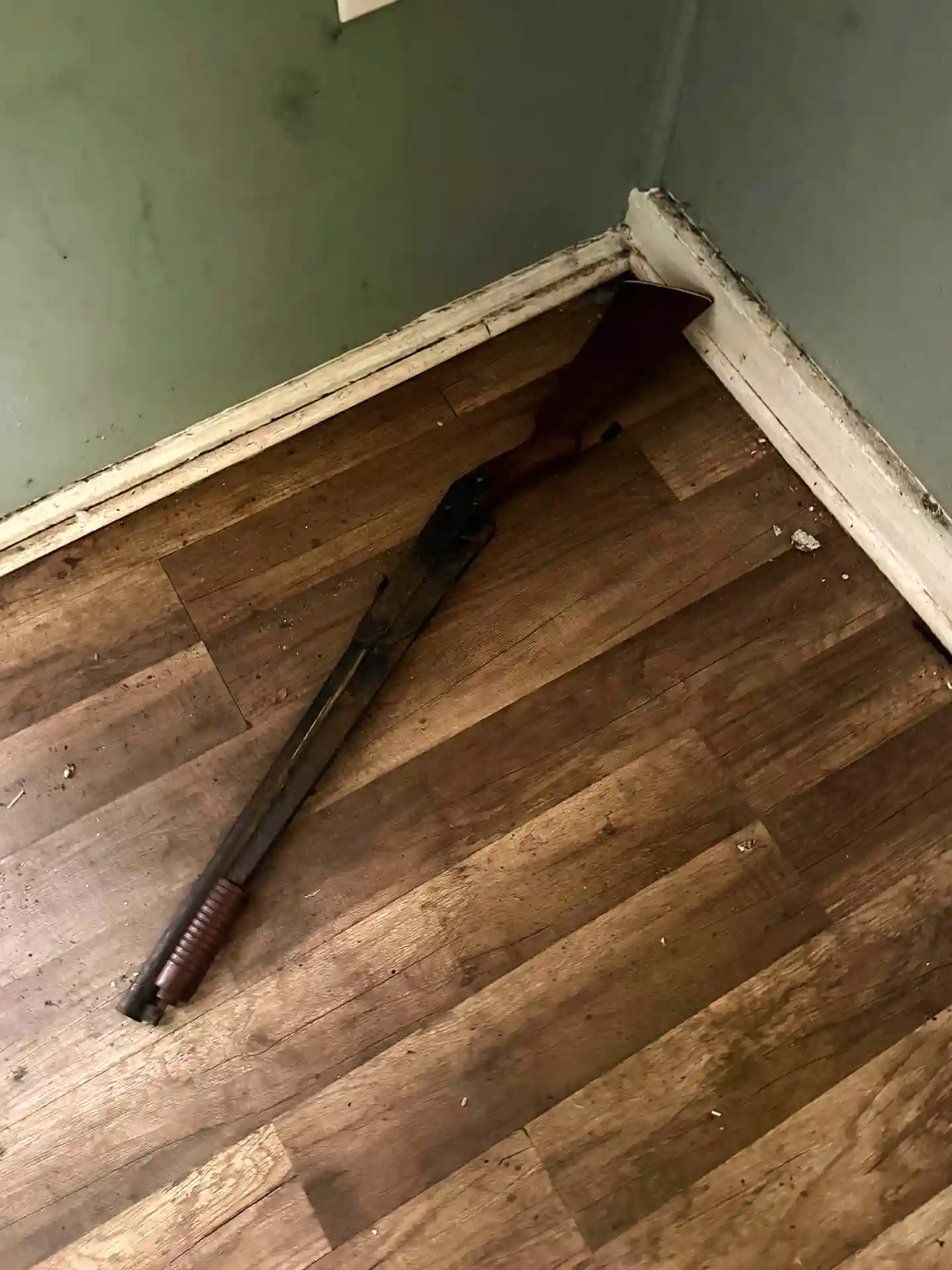
Recently, we found a shotgun inside one of our rental properties.
We turned it over to the Sheriff’s Office.
Finding the gun was shocking.
But that wasn’t the biggest problem.
The gun was just one small piece of a much bigger mess.
Looking back, I realized something.
The real problem started months earlier.
My Biggest Mistake
Years ago, I thought I was being smart.
I had several rental properties that needed repairs.
Instead of fixing them right away, I thought:
“Maybe someone will rent them like this.”
“Maybe the tenant won’t mind.”
“Maybe they’ll fix a few things themselves.”
I wanted to save money.
Instead, I lost a lot more.
Everything Started Going Wrong
The homes stayed empty.
That was my first mistake.
Empty houses attract attention.
Unfortunately, they don’t attract the kind of attention you want.
People started breaking into the homes.
Copper wire disappeared.
Plumbing pipes were ripped out and sold for scrap.
Windows were damaged.
People started sleeping inside the vacant units.
We called the Sheriff’s Office over and over trying to stop it.
Then we found out something even crazier.
One of our tenants was helping create the problem.
We had lowered her rent because we wanted to keep at least one unit occupied while we fixed the others.
Instead of helping us, she was letting homeless people use electricity from her unit and encouraging them to stay around the vacant homes.
We never expected that.
Vacant Homes Can Become Expensive
Most landlords worry about losing rent.
I worry about something else.
A vacant house tells people:
“Nobody is watching.”
That is when bad things happen.
People may steal.
They may vandalize the property.
They may break windows.
They may take copper pipes.
They may move inside.
Every week the house sits empty, the risk grows.
Don’t Count on the Tenant
I hear this all the time.
“The tenant said they’ll fix it.”
Sometimes they do.
Most of the time, they don’t.
Think about it.
If you were looking for a place to live, would you choose the house that needs a lot of work?
Probably not.
Good tenants usually want a clean, safe home.
And they should.
Trying to Save Money Can Cost More
Let’s say your property needs $15,000 in repairs.
You decide to wait.
You think you’re saving money.
Instead, you lose months of rent.
Someone steals the plumbing.
Someone steals the wiring.
You pay for police visits.
You install cameras.
Now the repairs cost $40,000 instead of $15,000.
I’ve seen this happen.
More than once.
What I Do Today
Today, I do things very differently.
If I buy a property that needs work, I fix it first.
Then I secure it.
I change the locks.
If needed, I install cameras.
Only after the home is ready do I look for a tenant.
It costs more upfront.
But it saves me money later.
More importantly, it saves me a lot of stress.
The Lesson
That shotgun wasn’t the real story.
It was the result of many small mistakes.
The biggest mistake was waiting.
I thought I was saving money.
I wasn’t.
I was creating bigger problems.
What I Learned
Here are the lessons I hope other investors can learn from my mistake.
✅ Fix the property before renting it.
✅ Don’t expect tenants to improve your investment.
✅ Empty houses attract trouble.
✅ Secure vacant properties right away.
✅ Install cameras if the home will be vacant.
✅ Screen tenants carefully.
✅ Listen when neighbors report strange activity.
✅ Work with local law enforcement when needed.
✅ Small problems become big problems if you wait.
✅ Spending money today can save much more tomorrow.
Part 2: How to Protect Your Rental Property Before Problems Start
Learning from mistakes is part of being a real estate investor. The important part is changing your process so the same problem does not happen again.
Today, my team follows a simple plan whenever we buy a property that needs work.
1. Secure the Property on Day One
The first thing we do is make sure nobody can get inside.
That means:
- Change every lock.
- Board broken windows if needed.
- Lock every door.
- Remove anything valuable.
- Install cameras if the home will be vacant.
A secure property is much less likely to attract trouble.
2. Walk the Property Often
Don’t assume everything is fine.
Visit the property regularly until it is rented.
If you live far away, hire someone you trust to check it.
A five-minute inspection can save thousands of dollars.
3. Finish the Repairs Quickly
The faster the home is ready, the faster you can rent it.
An empty house does not make money.
Instead, it costs money every single day.
I would rather spend more this month than lose even more next month.
4. Find the Right Tenant
Not every applicant is a good fit.
Take time to screen every tenant.
Check:
- Income
- Credit
- Rental history
- Background
- References
A good tenant is one of the best investments you can make.
5. Listen When Something Feels Wrong
Looking back, there were warning signs.
The lights kept turning on.
People were coming and going.
Neighbors noticed unusual activity.
We kept trying to figure out what was happening.
Eventually, we learned that one of the tenants was helping create the problem.
That taught me another lesson.
Always investigate unusual activity right away.
The sooner you find the cause, the less damage it can do.
Real Estate Is About Protecting Your Investment
Many people think real estate investing is only about buying houses.
It isn’t.
It is also about protecting what you own.
That means making repairs.
That means screening tenants.
That means acting quickly when something doesn’t seem right.
The investors who do these things usually have fewer problems and make more money over time.
Final Thoughts
I wish I had learned this lesson earlier.
I thought waiting on repairs would save money.
Instead, it led to break-ins, stolen copper, damaged plumbing, police visits, and a property that cost far more to fix than it should have.
Today, I have a different rule.
If a property needs repairs, fix it first.
Then protect it.
Then rent it.
Your future self—and your bank account—will thank you.
Keep Learning
Want to become a smarter real estate investor? These articles can help:
- Real Estate Investment Property Analysis: https://graystoneig.com/articles/real-estate-investment-property-analysis
- The Real Cost of Managing Your Own Property: https://graystoneig.com/articles/cost-of-managing-property-vs-professional
- What Is a Good Return on Real Estate Investment?: https://graystoneig.com/articles/what-is-a-good-return-on-real-estate-investment
For more tips on keeping rental properties safe and reducing risk, the National Association of Residential Property Managers (NARPM) offers helpful resources for landlords and property managers: https://www.narpm.org/
 Learn More About Rental Property Management & Renovations